Cross Curricular Learning: What is it?

Rather than teaching subjects like mathematics, science, English, or art in isolation, cross-curricular learning allows students to explore big ideas or real-world topics by connecting multiple subject areas into a single, cohesive learning experience.
The goal is to help students make meaningful connections between what they are learning and how it applies beyond the classroom.
What does this look like?
A project on sustainability might involve collecting and analysing data in maths, writing persuasive arguments in English, investigating ecosystems in science, and creating visual displays of their learnings in art or digital technologies. These links between subjects help students deepen their understanding, develop transferable skills, and engage in more relevant and authentic learning.
At its heart, this learning style reflects how knowledge and skills are used in the real world. Rarely are problems solved using just one subject area. Engineers need creativity and communication skills. Scientists write reports, interpret data, and consider ethical questions.
Cross-curricular learning mirrors this complexity by teaching students to think critically, collaborate across ideas, and apply their learning in practical ways.
This approach also supports a more student-centred style of education. By designing learning around themes, questions, or issues that matter to students and the wider world, cross-curricular learning encourages curiosity, ownership, and active engagement. It can also help build deeper understanding of global perspectives, social responsibility, and values-based decision making.
Cross-curricular learning can be structured in many ways – through project-based learning, inquiry units, or thematic studies – but the common thread is integration. Subjects remain distinct in terms of skills and outcomes yet are taught in a way that highlights their connection and purpose.
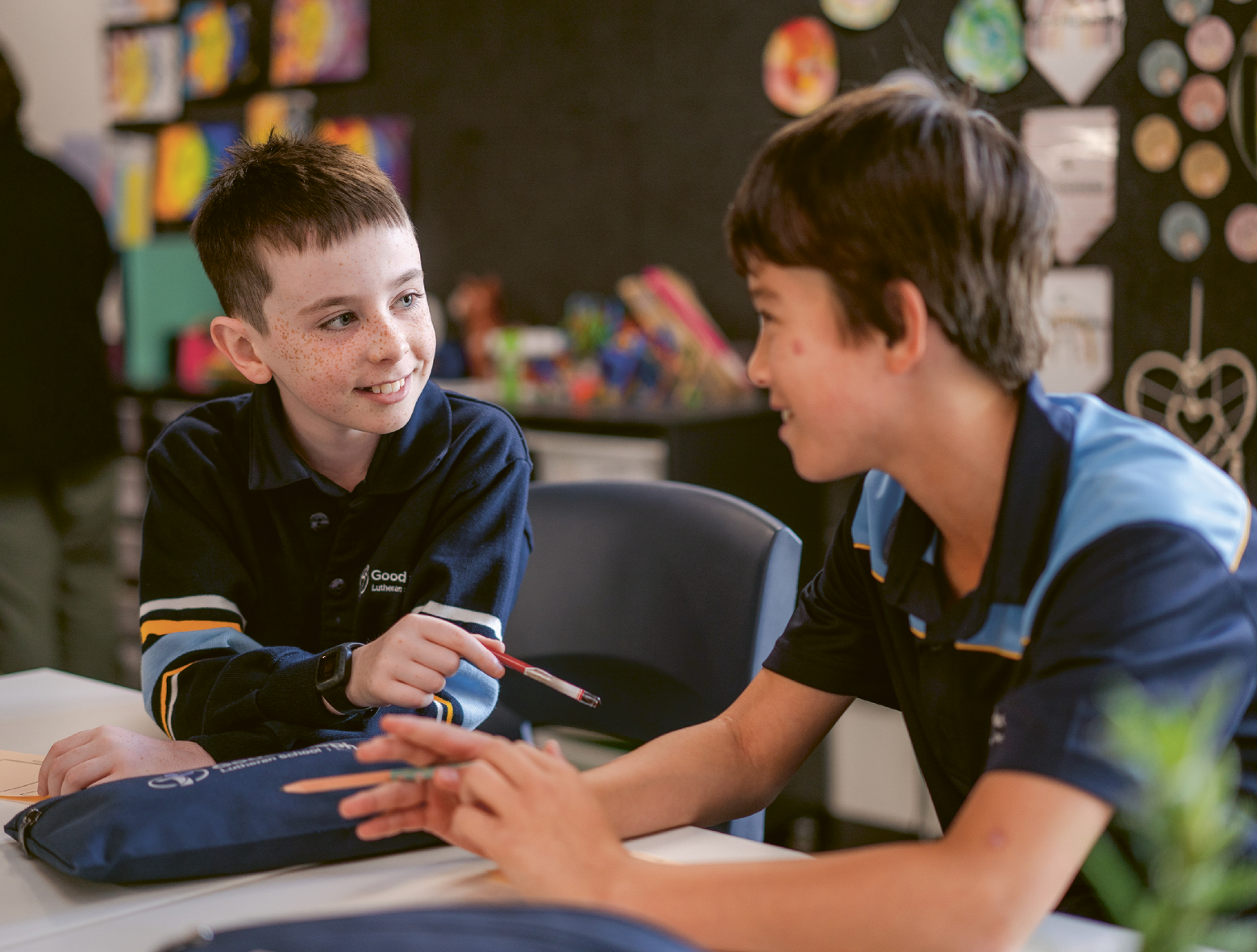
At Good Shepherd, cross-curricular learning plays a central role in how we support students to grow as capable, creative, and compassionate learners. We believe that when students see how their learning connects, they are more motivated, more engaged, and better prepared to navigate the complexities of life.
As the world continues to change, the ability to connect ideas and think across disciplines will only become more important. If you’re thinking about what kind of learning environment will best support your child’s growth, we invite you to explore Good Shepherd Lutheran School.
Transition enrolments are open now for students in Years 3 to 6. Book a tour and enrol your child today.
Good Shepherd Lutheran School
388 Montague Road, Para Vista SA 5093
www.gspv.sa.edu.au
Article by Good Shepherd Lutheran School